
Re-entry Navigation
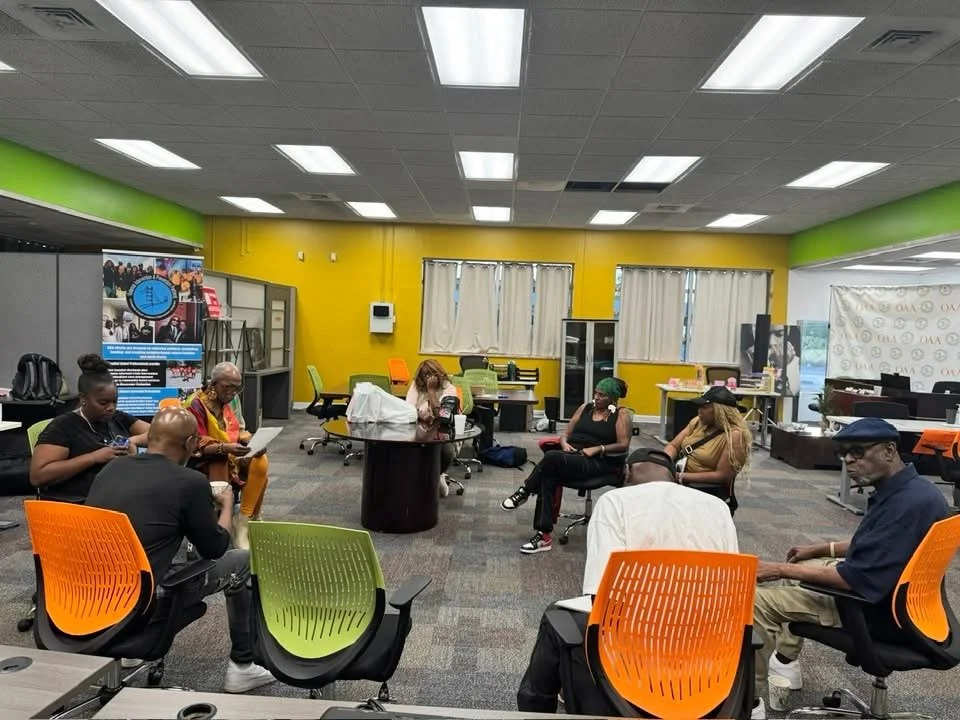
Peer-to-peer support is built on shared experience—offering encouragement, understanding, and guidance to those working toward a new way of life.
Weekly support forums offer:
Peer to peer support
Fellowship
Acceptance with no judgment because we have been there and we understand
A place to solve mutual dilemmas and issues
A place to share known resources
Engage family members
The newly returning citizens gain wisdom and networking opportunities from other former prisoners who are already stable, working, and connected with the local community. The process generates a cycle of "offenders helping offenders. Seasoned members of the group connect with newcomers on a regular basis to encourage, support and invite them to weekly support meetings and other community opportunities.
Now we return inside the walls voluntarily to mentor, to inspire, and to ignite hope. There is a tremendous impact when former offenders return behind the walls to share their own experiences with success. It makes a difference that we have been there and are now willing to come back.
“When the system had reduced me from a human being to a commodity, OAA helped me.
Because of their understanding of me, I made a healthy, positive, and powerful transition from a so-called beast back to a human being.”
Violence Intervention
The Offender Alumni Association was selected by the Jefferson County Department of Health and the Mayor’s Office of the City of Birmingham to implement a hospital-based violence intervention program known as Violence Intervention and Prevention Partners (VIP2) in partnership with UAB Hospital Trauma and Acute Care Surgery Services.
VIP2 provides a personalized roadmap, resources, and support for your recovery from gun violence and stopping the cycle of violence. As staff of VIP2, we are also victims of gun violence and trained in assisting others injured through gun violence. We have walked the road to recovery ourselves and can assist others on your journey.
Family/Community Engagement
OAA believes lasting change happens when families are supported and communities are actively engaged—not treated as afterthoughts. Our Family & Community Engagement work strengthens the relationships that are essential to healing, stability, and long-term success.
OAA partners with families, residents, and local stakeholders to create safe, supportive environments where individuals impacted by incarceration and violence can rebuild their lives. We work alongside—not above—communities to restore trust, strengthen protective factors, and promote collective responsibility.
How We Engage
Family Support & Navigation
We help families understand systems, access resources, and stay connected during reentry, recovery, and crisis. Families are treated as partners in the healing process.Community-Based Mentorship
Credible Messengers and peer leaders with lived experience provide guidance, accountability, and encouragement grounded in trust and real-life understanding.Restorative & Healing-Centered Spaces
We facilitate community conversations, support circles, and healing activities that address trauma, reduce conflict, and promote nonviolent solutions.



OAA Youth Initiative
Heroes in the Hood
This program works with system involved youth aged 13 – 17 to mentor them over a three-year period to instill work ethics and a sense of community pride.
Dr. Stacy Moak, professor of Social Work at UAB, endorsed this program:
“System involved youth are particularly vulnerable to negative environmental influences in their communities. Far too many youths in Birmingham live in areas that are structurally disadvantaged and provide very little positive interaction with responsible adults.
As an academic, I have a foot in both the worlds of criminal justice and social work. I have researched and studied juvenile justice and community systems for most of my academic career. Based on that research, mentoring programs have shown promise in improving the opportunities for these youths to see new possibilities, complete high school, become job ready, and become productive members of society.
I have been fortunate to work with this program and experience these youth. Many of them list as their goal for the year, “staying alive.” No child should be concerned about staying alive from one year to another. I strongly believe that providing adult mentors and role models that young people can rely on will provide much needed support to fragile youth during critical developmental times in their lives.”